Antonio Topete

It’s hard to believe a whole year has gone by since my first Listening Now article, but it has been a real joy to discuss the music that matters to me most, and I greatly appreciate all of those who have set time aside to read what I’ve had to say, and those who have responded with such kind words. Thank you.
A year later, it is unsurprising that artists have continued to release amazing music, so much so that makes my 10-piece list heart wrenchingly difficult to finalize. In this list, you’ll find a variety of styles, and a mix of veterans and newcomers. In fact, the return of music legends side by side with fresh faces is my favorite aspect of 2021. To see both sides of a coin in music growth is a pleasure, both pushing forward one’s own established sound, or a new take on an established style. Regardless of the experience of the following artists, I can promise every record here is worth your time and attention.

10. Valentine – Snail Mail
The follow-up to Snail Mail’s fantastic debut Lush draws from the same place of emotional heartbreak and continues to build her as a rising star within the indie rock sphere. Valentine opts to engage more heavily in pop songwriting, dropping some of the intricate guitar work and energetic solos, but still delivers with catchy tracks such as “Valentine”, “Ben Franklin”, or “Madonna”. Throughout the album, Lindsey Jordan’s powerful whining vocals take the lead, with energetic synths, guitars, and bass complimenting her fun songwriting. The young indie darling could probably get anyone to take a drive with the windows down, futilely trying to keep up with her iconic voice.
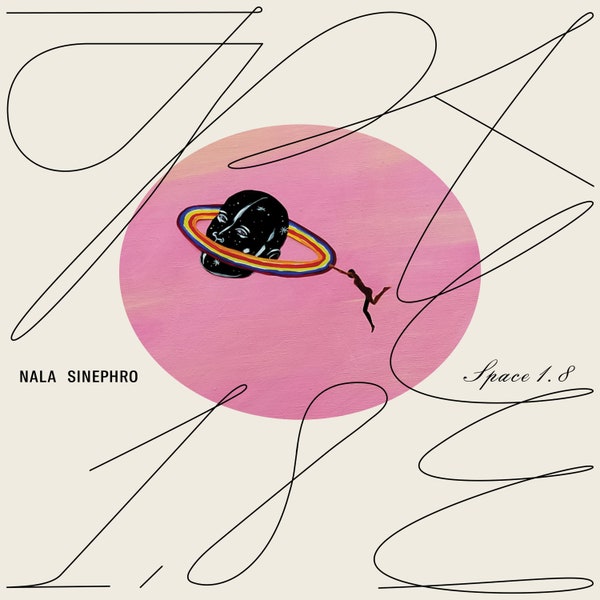
9. Space 1.8 – Nala Sinephro
I had never heard of Nala Sinephro before, but the young UK musician makes a bold statement on Space 1.8 that requires no introduction. The sparkling mix of electronic and jazz on the record provides a space that has moments of peaceful bliss, with harp and understated synth chords, as well as exciting moments of bubbling energy, with classic saxophone and horns taking center stage on tracks like “Space 6.” The album is focused and beautiful, perfect for a morning listen as you prepare for your day. Despite being completely instrumental, Space 1.8 delivers Nala’s voice and precise vision of jazztronica, and the music speaks for itself. This debut makes me excited for what Nala’s music will say next.
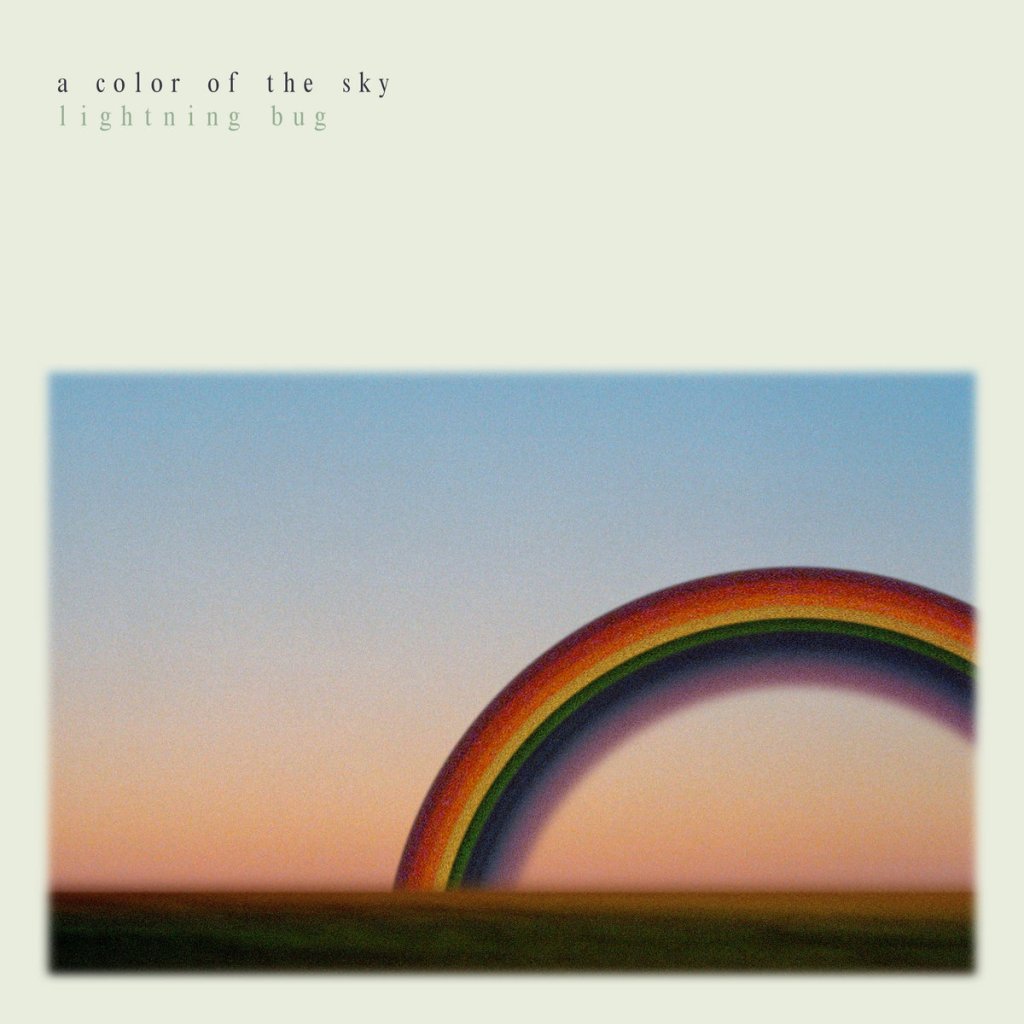
8. A Color Of The Sky – Lightning Bug
Lightning Bug has a sound that feels familiar from the first listen. The young band has harnessed a dream pop sound, combined with tight songwriting, that feels like a memory or a half-forgotten dream. With reverb filling every nook of this record, every guitar and every word sung from Audrey Kang’s mesmerizing, soft-spoken voice hangs in the air like an ember from the fireplace. As much as A Color of the Sky hinges on creating warm, serene moments, it is unafraid to occasionally pull out the punch of shoegaze guitars, as it does on “Song of the Bell” or the fantastic “I Lie Awake.” Although these tracks bring up the energy of the record, as well as the noise, they maintain the emotional and nostalgic feel of the quieter tracks. Every time I hear this record, I can almost imagine the golden hour is upon me, like I’m basking in the sun’s rays, and the world around me is glowing.

7. Menneskekollektivet – Lost Girls (Jenny Hval & Havard Volden)
The Norwegian duo of experimental electronic musician Jenny Hval and guitarist Havard Volden come together for an album that is full of wonder and grooving beats. Menneskekollektivet has a sound that is iconic of Jenny Hval and her penchant for taking dance beats and using them to construct dreamy landscapes. Lush synthesizers rise and fall against the steady, energetic rhythms across the record. Jenny also employs her classic mixture of singing and spoken word. Even more so than in previous recordings, she speaks freely, rhythmically but casually, exploring spirituality, interpersonal connection, and stories. The album title translates to “human collective” from Norwegian, a theme that connects every track, be it through lengthy meditations on the nature of talking to a Jehovah’s Witness preacher, or simply getting lost in a hypnotic dance beat as Jenny repeats “Love is really there.” Jenny asks herself profound questions that are left rather open ended, but I think she would argue that much like this album, the answers are best understood as a feeling, like the steady beating of a bass drum in the night.

6. A Beginner’s Mind – Sufjan Stevens & Angelo De Augustine
Sometimes a fresh (or a beginner’s) mind to explore ideas with is what you really need to spark creativity. For legendary singer-songwriter Sufjan Stevens, this is exactly the case. Since releasing the unimpeachable Carrie & Lowell in 2015, Sufjan has released a series of exploratory and heartfelt, though sometimes lacking, projects. Pairing up with newcomer Angelo De Augustine, it feels as though Sufjan has returned to the tight and iconic songwriting that made him so noteworthy early in his career. With their voices intermingled, often indistinguishable, the two deliver lovely harmonies over Sufjan’s classic folk instrumentation. A Beginner’s Mind is inspired by classic films the pair would watch before songwriting, with each track based on a different film. From Wizard of Oz, to Silence of the Lambs, to Hellraiser, these films are greatly varied. Yet, every track feels much more like a personal reflection than a direct reference, and the tone is serene and cohesive throughout. With standouts like “Reach Out” and “Cimmerian Shade”, it is delightful to hear Sufjan and Angelo serenade us in classic Sufjan fashion.
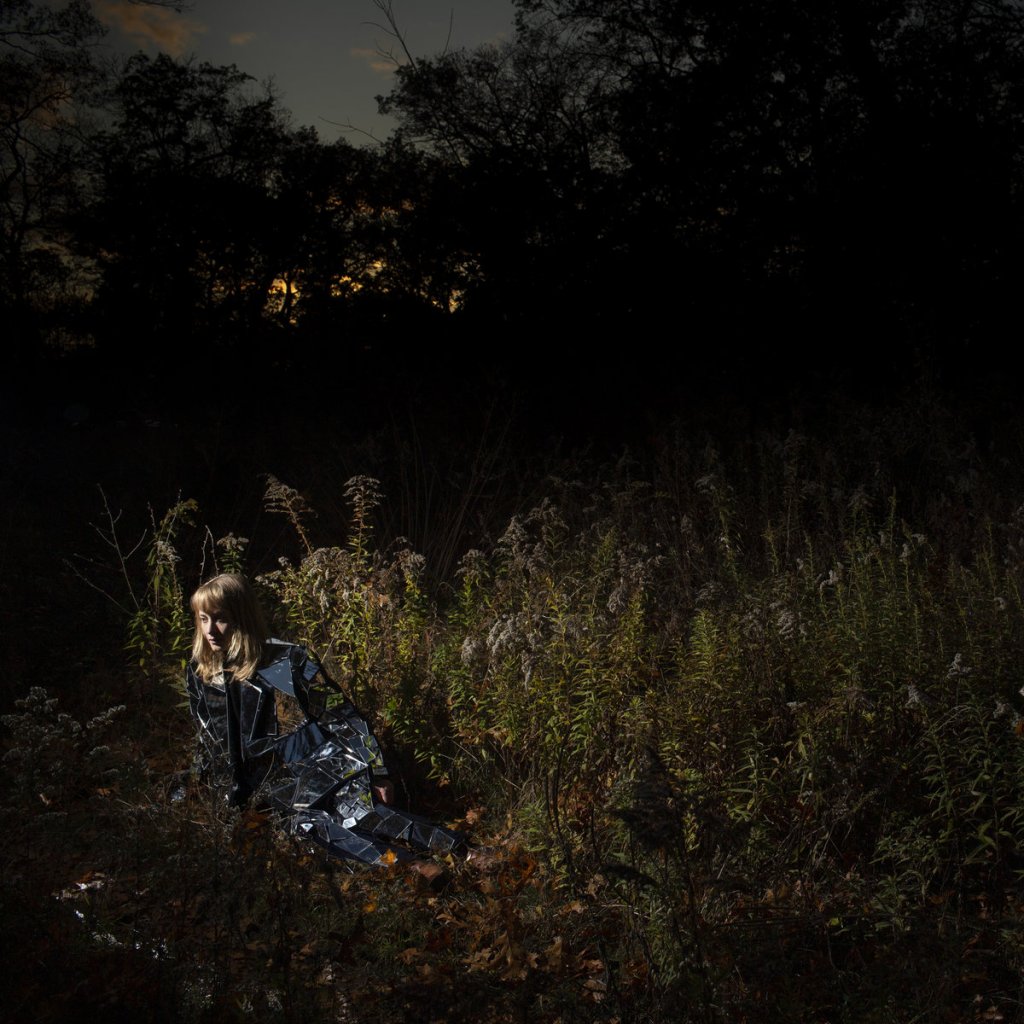
5. Ignorance – The Weather Station
Ignorance rejects simplicity, and embraces a full, layered sound. Every time I hear this album, I find myself picking up on new details in the dense instrumentation. If you isolate any instrument in these tracks, you’ll hear rich tones and intricate melody lines. If you put all these instruments together, you’ll be amazed by how they all manage to compliment each other seemingly effortlessly. At the forefront of all these sounds is Tamara Lindeman’s sultry vocals, which command every song despite their often-restrained nature. Groovy almost from front to back, Ignorance draws you in with playful drum beats, sparkling synthesizers, and fuzzy guitar licks, with standout tracks such as “Robber” or “Tried To Tell You” leaving you bobbing to the rhythm. Still, on more emotionally vulnerable tracks like the stellar closer “Subdivisions”, The Weather Station manage to simply shift their dense composition to fit the occasion, slowing down the tempo and filling the air with soulful whispers of synths, and the steady playing of piano, building into a crescendo of emotion. Ignorance shows us the power of musicians working together, unified by exemplary songwriting.

4. Una Rosa – Xenia Rubinos
I hope you are ready to have some fun because Xenia Rubinos basically demands it. Filled with eccentricities, but held together by punchy pop songwriting, Una Rosa is a fantastic mixture of the Hartford CT musician’s Hispanic roots, experimental electronic production, and pop structures. The result is a listen that is equal parts thought-provoking, and indulgently joyful to the core. Shifting from synthesizer meanderings in the title track, to sensual vocal performances such as in the pining Spanish-sung track “Ay Hombre”, and into playful beat driven bangers like “Sacude”, Una Rosa boasts Xenia Rubinos’ incredible versatility from front to back. This versatility is not at all disorienting, with musical shifts flowing naturally from one track to the next, with quality and intrigue being the constants that hold it together. Many tracks discuss experiences with romance and lost love, but Xenia is not afraid to deliver bold statements on tracks like “Don’t Put Me In Red”, talking about her Hispanic heritage and how it impacts her experience as an American, with lines such as “kids you put in cages look like they could be my sons.” She also shows moments of real anguish in “Did My Best”, erupting in a powerful “I didn’t even get to say goodbye”, and “Oh God, look down upon me now.” No matter the tone of the track, she is a commanding presence. Like the extraterrestrial flowers on the cover art, Xenia Rubinos is absolutely blossoming, full of color, and glistening in a neon world.
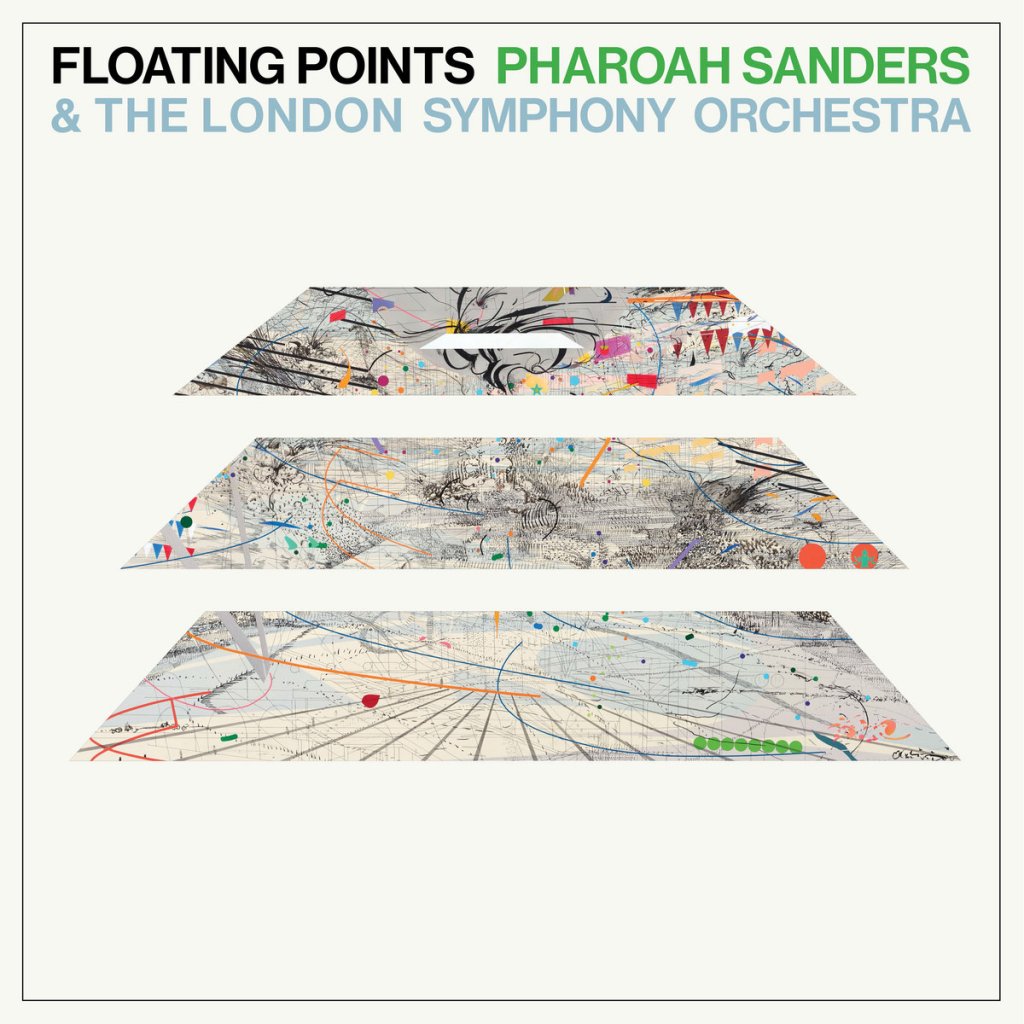
3. Promises – Floating Points, Pharaoh Sanders, & The London Symphony Orchestra
It is hard to believe that at 81, Pharaoh Sanders, a man so essential to the modern jazz landscape since almost 60 years ago, is here in the year 2021 continuing to deliver groundbreaking music. Teamed up with electronic musician Floating Points, and aided by the London Symphony Orchestra, Sanders brings an album that is defined by its intrigue, its subtle dynamics, and its elegance. Promises is a masterwork in combining jazz, ambient, and classical music into one coherent composition. Simultaneously simple, yet rich with complexities, the record functions as one piece with 9 movements, flowing seamlessly from one to the next. Promises is carried by a twinkling electronic riff which repeats throughout the runtime, not changing much at all. This does not, however, make the album at all boring or repetitive, but rather feels like the pulse of the music, the backdrop to Sanders’ mystical saxophone weaving in and out of the composition, sometimes contemplatively moving along with the rest of the instrumentation, other times exploding into emotional solos that evoke something powerful, maybe something lost. His performance stands tall and proud at the forefront of the music, which is not to say Floating Points sounds auxiliary; the electronic passages are the skeleton on which Sanders can work his magic, and shape the album with mysterious turns. Together, the duo have crafted a graceful exploration of space and sound.

2. An Overview On Phenomenal Nature – Cassandra Jenkins
Cassandra Jenkins has crafted a rich and dynamic album that looks within, contemplating personal experiences and the emotional space those experiences live in. In every track, An Overview On Phenomenal Nature provides poignant and distinct moments of Cassandra’s life, retelling them with a calming and familiar sense of simplicity, which brings a relatable authenticity to her stories. Nowhere is this more obvious than on the masterful centerpiece “Hard Drive”, in which Cassandra weaves spoken word and sung vocals to connect anecdotes including a conversation with a security guard, a bookkeeper, and a friend teaching her how to drive. Although not directly related, each story shows a different facet of Cassandra’s emotional struggles and anxiety. Importantly, the album also focuses on the immense importance and power of interpersonal relationships; how friends and family may support us in our greatest times of need, how a stranger can implant a powerful idea in our minds, or the pervasive presence of a lost loved one. Although by no means the first to touch on these concepts, Cassandra manages to do so with a fragility and cohesiveness that opens the heart to her experience. Accompanying her personal lyrics is a beautifully peaceful instrumentation, filled with guitars, saxophone, synthesizers, and sounds of nature and everyday life. The final track “The Ramble” is purely instrumental, but still feels as though it is telling the personal stories from the previous tracks. With a meditative ambient quality to it, it serves as the space needed to reflect on all of these memories. Much like the album at large, it is a reflection on the phenomenal found within the quotidian.

1. Hey What – Low
Hey What is titanic; it is commanding, it is crushing, and it is beautiful. In 2018, Low released Double Negative, a left turn in their nearly 30-year long career which explored enormous walls of sound, with booming electronic passages that rumbled and droned. It used rich, complex textures to communicate a sense of dread. In 2021, Hey What has doubled down on this new chapter of the band’s sound, and has amplified the sonic explosiveness even beyond its predecessor. If Double Negative was a serenade to the apocalypse, then Hey What is the apocalypse, evoking a biblical end of times. Throughout the album, there is a massive distortion that builds and envelops the atmosphere around every track, such as on the pulsing roar of “Disappearing”, that crescendos like a tsunami crashing onto shore, or like the ear-splitting noise of “More”, a two minute track that has the most snarling overdriven riff I may have ever heard. But all this abrasive sound design does not come without respite. In fact, it serves as a companion to the quiet, angelic harmonies of Alan Sparhawk and Mimi Parker, whose vocals are beautiful glimmers of hope in the otherwise brutal wasteland of the record. Not everything is fuzz and rough edges either. There are plenty of moments of blissful peace: the quiet decay on the second half of “Days Like These”, the stunning beauty of “Hey”, or the quiet plea heard in “Don’t Walk Away”. After a few listens, even the noisiest passages of Hey What reveal themselves to be quite beautiful. Low have managed to strike an incredible balance between sonic experimentation and tight songwriting; every track is carried by catchy melodies and well executed ideas. It is in this balance that the album finds its greatest strength. Ultimately, in Hey What, Low have taken the chaos of the world around them and harnessed it to create the most ambitious sounding record of the year.
 Listening Now
One thought on “Top 10 Albums 2021”