This year was a strange one, to put it lightly. The rapidly changing political landscape full of threats, pain, and fear, made it a difficult year to focus as much energy on music; it certainly felt as though there were more “important” things to discuss. Music itself faced threats too, with the continuing malpractice of streaming giants and the growing shadow of AI looming over independent and working musicians making the future for a sustainable music industry questionable at best. And yet, 2025 was a year of incredible musical abundance, easily the most difficult year I’ve had so far in making my year-end lists. Far from being a problem, this is a sign to all of us that supporting creative arts and fighting for the real people behind them is more important now than ever. During a year characterized in no small part by feelings of dread for the future, the overwhelming outpouring of amazing, innovative, and challenging music is a life-affirming reminder that artistic expression is a necessary beacon of hope. So long as there are artists finding beauty in the world and the people in it, the world is assuredly worth fighting for. Here are just a few of the many albums that got me through the year.
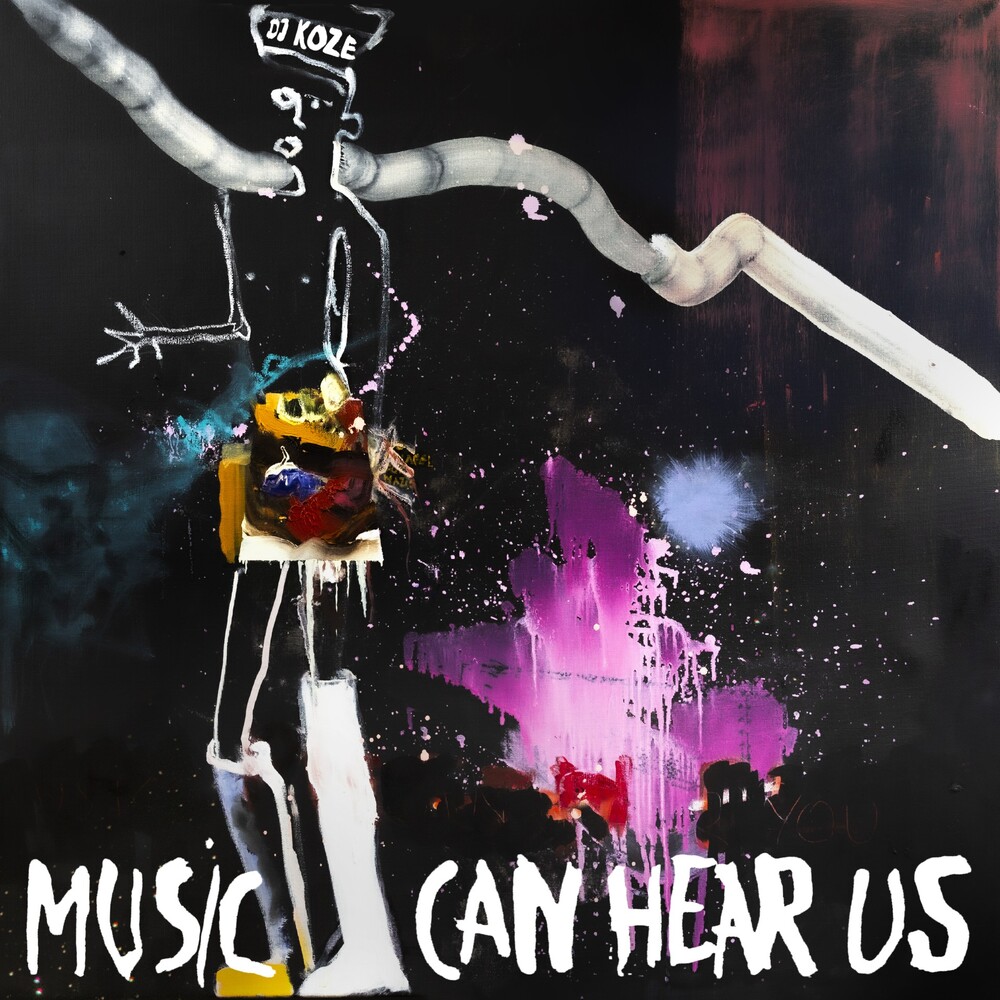
10. Music Can Hear Us – DJ Koze
More than anybody making music today, DJ Koze reminds me that anything is possible, everything you hear can be made into art, and every song can be a world to discover. In many respects he could be described as the Willy Wonka of music; his songs are full of whimsy and color, and his fascination with exploration breeds a level of creativity that most would consider too risky for commercial success. And while DJ Koze has not drowned any children in chocolate rivers (as far as I’m aware of), he shares one of Wonka’s most core values: creation for the sake of creation, a true love for the form itself. He doesn’t concern himself in pleasing anyone in particular; this hour-long collage of sounds and textures hardly even justifies the “DJ” in his name, though the few tracks with big beats, like the White Lotus-esque “Buschtaxi,” are clubby bliss. Music Can Hear Us is a work of wonder, a collection of songs that will speak to you in ways both subtle and spectacular, a world of pure imagination.

9. Getting Killed – Geese
Geese, and their frontman Cameron Winter, are having a moment. If it feels like every alt-friendly person (ok, mostly dudes) you know is trying to get you to listen to this band and this album, it’s because they are. The hard truth is that Getting Killed is, sadly, actually quite good. The hype is exceptional, though. I’ve heard people say Cameron Winter is the next Bob Dylan, the next Sufjan Stevens, and that Geese are the next Radiohead. I don’t think any of it is true, but I think Geese are the perfect target for hyperbolic comparisons. It doesn’t take much to appreciate Cameron’s clever wordplay (“I’ve got half a mind to just pay for the lobotomy”), to hear the raw emotion in his passionate voice-cracking delivery, or to see the parallels between Geese’s frantic compositions with those of Thom Yorke and Johnny Greenwood, but on Getting Killed, Geese sound like Geese. It’s the particularly strange, turbulent, and hilarious center of the band’s character that makes them wholly new and exciting, a band capable of shredding you apart while screaming about car bombs, or delivering blissful ballads that cut to the core of heartbreak and loneliness.

8. DeBí TiRAR MáS FOToS – Bad Bunny
Every so often the stars align, and artists at the top of the charts are also the ones pushing into new territory with their music. Bad Bunny was the most globally streamed artist of 2025, he has long cemented himself as the poster child for reggaeton’s commercial and critical renaissance, but even still, on DeBí TiRAR MáS FOToS he is molding the genre in his own image. Half statement piece, half love letter to Puerto Rico, this album is brimming with the incredible regional sounds of his home country. It’s remarkable just how well songs of maracas, congas, and trumpets can sit alongside expertly produced contemporary reggaeton, especially considering how much the two halves excel in their own right. You probably would not place the incredibly fun plena number “CAFé CON RON” or the impeccable salsa of “BAILE INoLVIDABLE” next to reggaeton bangers like “PERFuMITO NUEVO”, but the tracklist flows without a hitch. Even in his classic mode, Bad Bunny brings swirling synths and poppy, catchy hooks into every song, daring anyone who doubts his vision of reggaeton to resist getting on the dancefloor.

7. Luster – Maria Somerville
Releasing a dream pop album on 4AD, the independent label that championed the genre-defining Cocteau Twins, is a tall order. To do so is to invite unavoidable measurement against the highest of standards, and yet, Luster arrives confidently holding the mantle of washed out, ethereal rock. Not only does Maria Somerville earn her place as heir to the dream pop legends, she echoes their legacy with music that captures the essential foundations of the genre. In our “vibes”-based music economy, it’s easy to think of dream pop as an excuse to drown yourself in reverb and jam out against a chill beat, but Maria goes so much further. She sees, as her influences did, that dreams are not a blissful escape from reality, but obscured, distorted windows into our deepest fears and desires. They leave us wondering if our love is true or a mere projection of the truth, they give us visions of dark caves and empty rooms that feel soothing yet dangerous, they have the power to confuse and inspire. Luster exists in the edges of our mind, asking what we feel when it presents us with thoughts we cannot yet understand.
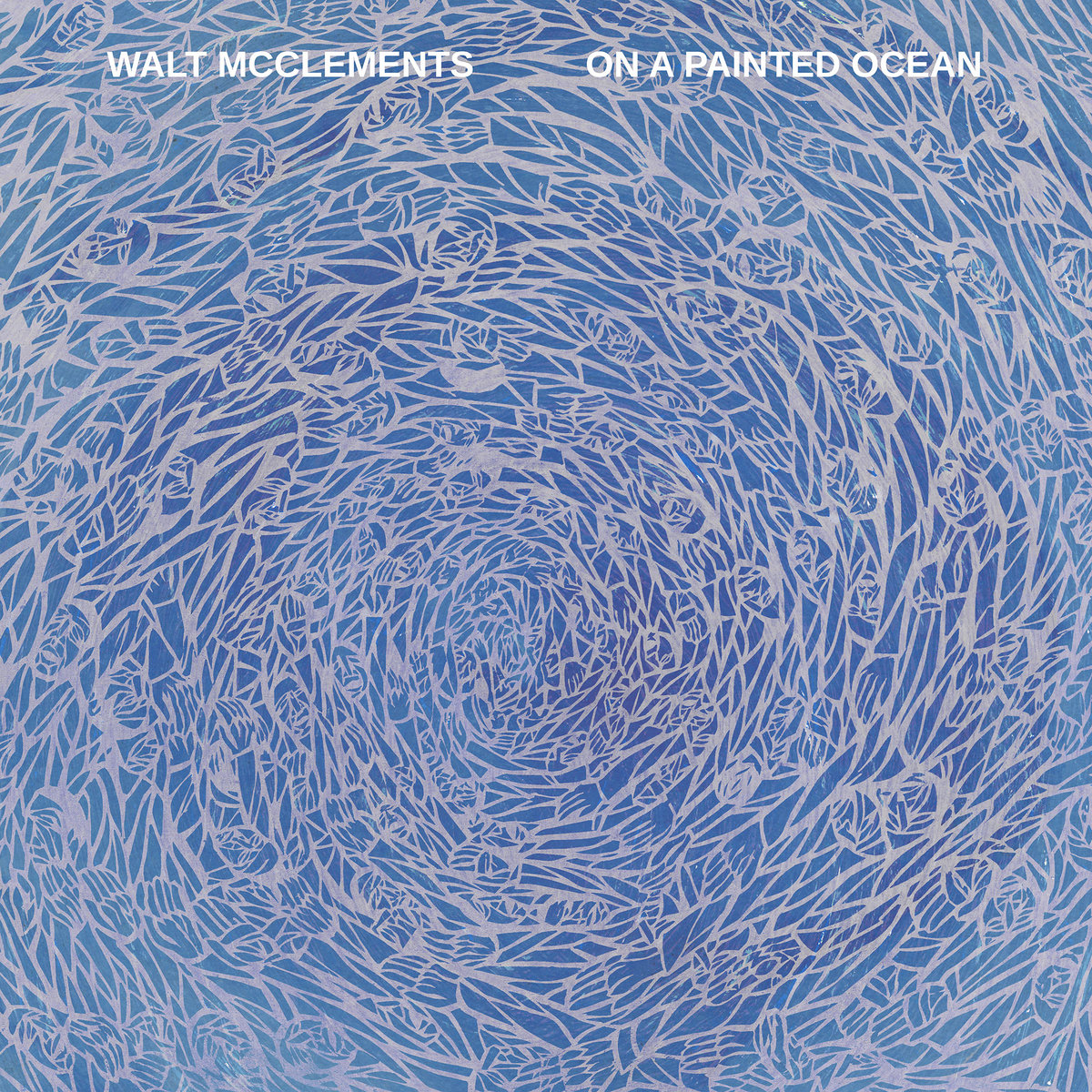
6. On a Painted Ocean – Walt McClements
What do you think of when you think of the accordion? It is an instrument that makes no obvious sense, one set of piano keys, one set of tiny buttons, expanding and contracting like an inch worm, played by someone donning lederhosen or an eye patch. It is not the instrument you expect to floor you with beauty, epic emotion, and contemplative peace, but then again, Walt McClements is very good with an accordion. On A Painted Ocean will make you feel like you’ve never heard an accordion before, it will leave you seeing those buttons and keys like they belong on a grand piano at Carnegie Hall, and seeing the push and pull like mesmerizing waves caressing the shore. It is a gorgeous journey. Aided by synthesizers, organ, and saxophone, the compositions evoke images and emotions that will touch your soul at each chapter. Whether it is setting sail into the vast expanse on “A Painted Ship”, the crushing thunderstorm that shakes your foundations on “Sirens”, or the hero’s bittersweet return on “Clattering”, these songs tell a story that need no words to be understood. Now when I think of the accordion, I think of this album, and just the thought is enough to move me.

5. LUX – Rosalía
If there’s one thing Rosalía seems determined to prove, it’s that you still don’t know what she is capable of. It was not so long ago that she was turning her sound upside down on the fantastic MOTOMAMI, but yet again, she’s taking a left turn, this time reaching for the heavens with angelic orchestrations to aid in her ascent. I cannot stress this enough: LUX sounds incredible. It’s the kind of album you choose to test the limits of a new pair of headphones or a hi-fi stereo system. There is not a single sound out of place; every bowed string, every guitar strum, every warbled note from Rosalía’s voice is mixed and manicured to perfection. But this doesn’t mean LUX is sterile by any means, quite the contrary. The album is brimming with wild, ever-changing energy, shifting from neoclassical and operatic songs like the career-defining vocal performance of “Mio Cristo Piange Diamanti”, to the experimental twists of “Berghain”, to the familiar flamenco of “La Rumba Del Perdón.” No matter the style, the compositions are incredible and Rosalía shines with ease. If there was any remaining doubt about Rosalía, LUX is the album that definitively cements her as one of the great pop auteurs of our time, a generational talent.
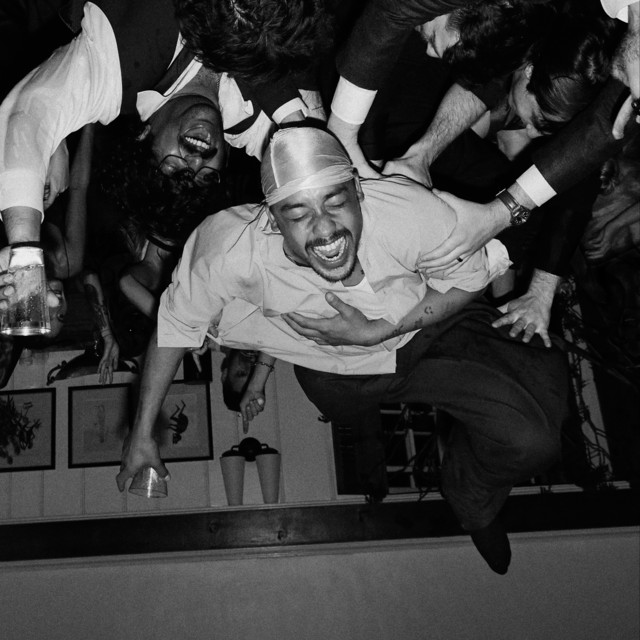
4. Baby – Dijon
There are few greater joys than watching someone revel in their very own joy. Seeing happiness in others is wonderful, but to see them recognize and celebrate that feeling is a uniquely emotional affair. As Dijon would say, “that’s a beautiful thing.” On Baby, Dijon’s joy is found in the new calling of building a family, of loving his wife and newborn son and savoring every moment with them. He can hardly contain himself, channeling that excitement over and over with one word: “baby.” The album title is used dozens of times, at least once on almost every track. Sometimes it’s used to speak directly to his child, most times it refers to his wife, and be it with affection, familiarity, or desire, every use shows how much he adores her. It’s sweet, and it hits even harder with Dijon’s passionate performances. He whispers and belts, often pushing his voice to its breaking point on songs like “my man”. He always meets the moment, whether on chopped up experimental production or stripped back ballads, he sounds perfectly natural. When you’re loving life, it can feel like everything fits just right.

3. Radio DDR – Sharp Pins
It’s very easy for me to get carried away discussing the big ideas that make albums tick. Sometimes the grand statements and commentary found in the lyrics race through my head, sometimes I can’t stop writing about the innovative or challenging sounds presented by an artist. But sometimes it’s important to appreciate the simple pleasures of music, hitting play and singing along. Radio DDR is one of those simple pleasures. Inspired by rock and roll of the 60s, Sharp Pins’ Kai Slater delivers a tight, non-stop, no frills collection of songs that call back to the highly melodic rock perfected by The Beatles, with just enough bite to please classic Guided By Voices fans. Kai’s pop songwriting is not groundbreaking, but it is fantastic, enough to get nearly every song stuck in your head. On high energy rock cuts and subdued singer-songwriter tracks alike, his melodies and harmonies are irresistible, the perfect companion for road trips and barbeques. This is no diss to the artistry of Radio DDR, it’s an incredible record that finds no shame in simply having a good time.

2. HAGEN – Titanic
Last year when I heaped praise onto Mabe Fratti’s remarkable Sentir Que No Sabes, I never doubted lightning could strike twice in the same place, I just didn’t expect it to happen so fast. On HAGEN, Mabe and her partner, producer, and collaborator I. la Católica aka Hector Tosta, remain electric. Where Mabe’s solo work is abstract, winding, and lush, the Hector Tosta-composed HAGEN is grand and explosive, with distorted guitars and industrial percussion creating moments of catharsis on tracks such as “Gotera.” However, they share more in common than not, in no small part due to Mabe’s commanding presence, both in front of the mic, with standout performances like “Te tragaste el chicle”, and behind her cello, which plays a central role in the duo’s sound. The new inclusion of sounds of the 80s brings a fresh, sometimes playful, sometimes dramatic flare to their music, adding theatrical depth to their already epic work. On a record of so much diversity, it can be hard to pin down a single strength that describes the whole, but across its best moments, HAGEN is triumphant, reaching up into the stratosphere with confidence, delivering anthems that will hit you like thunder.

1. Sinister Grift – Panda Bear
Panda Bear has long been one of my favorite musicians. Both in his solo work and with Animal Collective, I’ve always been drawn to his knack for psychedelia. Whether in the mind-bending use of samples in Person Pitch, or the synth odysseys of Panda Bear Meets the Grim Reaper, he finds a way to tap into the power centers of your brain, leaving you analyzing every second. The first time I heard Sinister Grift, I was disappointed. ‘Where are the synths? Where are the samples? Where is the insanity?’ Surely, I thought, the straightforward, subdued songs of this album were an indication his best days are behind him. But, as we often are when confronting art with expectations, I was wrong. The more I listened, the more the songs opened to my ears, blooming into the psychedelic masterpieces Panda Bear has honed over his long career. However, this time, the psychedelia comes not from confounding manipulations or electronics, but from groovy, tropical instrumentation, and dare I say, perfect melody writing and layering. Sinister Grift places you directly into a hammock in paradise, piña colada in hand with a burning pink sky glowing onto your half-closed eyelids, while simultaneously hitting you with the dreamy vocal assault of Panda Bear and his stoned clone quartet. The harmonies across this album are breathtaking and relentless, soothing enough to lull you into a nap but attached to melodies so catchy you’ll feel obligated to join in. Under the beautiful music lay Panda Bear’s reflections of growing older, of accepting painful truth, of coming to terms with our own agency to enact change in ourselves. Yet it’s apparent that these heavy reflections are not the product of despair, but clarity and growth. The tone of Sinister Grift would suggest there’s a great amount of joy to be derived from clarity and growth, and that accepting truth, or admitting the flaws of our first impressions, is always a worthy pursuit.
 Listening Now